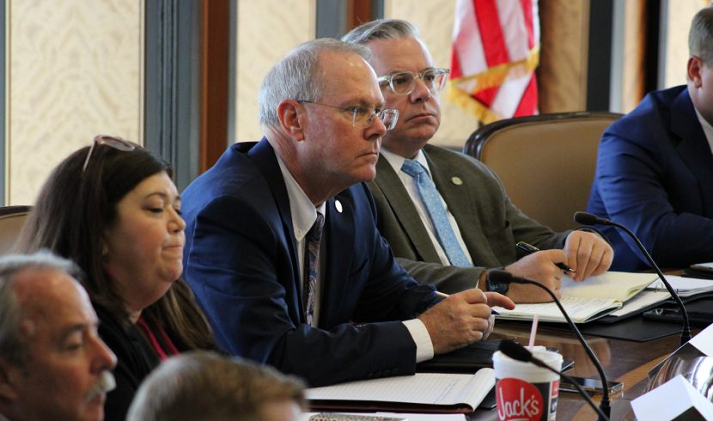
A criminal charge can leave a veteran feeling stuck. The court process may seem harsh, confusing, and hard to face alone. Kansas City offers a Veterans Treatment Court for eligible veterans. The program takes a treatment-based approach instead of relying only on standard court penalties. The Kansas City Veterans Treatment Court is part of the city’s Municipal Court system. The current court schedule lists Veterans Treatment Court on Wednesdays at 1:30 p.m. But who can enter the program? What does the court look for? Let’s break down the key points.
First, You Must Be a Veteran
Military service is the starting point. The Kansas City Veterans Treatment Court is designed for veterans involved with the criminal justice system. The Kansas City VA says an applicant must qualify for VA services and have a mental health or substance use treatment need. That means military service alone doesn’t guarantee entry. The court looks at the person’s legal case, service status, and treatment needs. A screening process helps determine whether the program fits. If you’re a veteran facing charges, tell your lawyer about your service history early. It could open a door you didn’t know was there.
Treatment Needs Can Matter
Veterans Court is not simply a different courtroom. The program aims to address problems that may have played a role in the offense. These can include substance use or mental health needs. The Kansas City VA states that eligible participants must qualify for VA services and have one of these treatment needs. That focus sets Veterans Court apart from a normal criminal docket. The goal isn’t to ignore the charge. The goal is to address the reason behind the conduct while maintaining court supervision.
Your Criminal Case Still Matters
Eligibility isn’t based on military service alone. The court must also consider the pending case. Missouri treatment court standards allow each court to set entry rules and use screening tools when deciding eligibility. Certain criminal history, current charges, or violent conduct may exclude a person from some treatment courts. This is where a legal review becomes useful. A person may appear to fit the program but still have an issue that blocks entry. Another person may qualify even when the case first looks complicated. Don’t guess based on what happened to someone else.
Kansas City Veterans Court Is Mostly Diversion-Based
The Kansas City VA describes the program as primarily diversion based. It has four phases and requires participants to follow treatment recommendations and other court-directed services. That can be a major opportunity. Successful completion can lead to the end of probation for the covered cases, with the cases then closed under the program terms. But there’s a catch. You have to do the work. Participants sign a contract and must remain compliant with treatment and court requirements. Skipping meetings or ignoring court rules can put that opportunity at risk.
How Long Does Veterans Court Take?
This isn’t a quick fix. The Kansas City VA says the minimum program period is one year. Many participants stay for 18 months or longer when needed. That may sound like a long road. Still, the program is built around steady progress rather than one short court appearance. Participants work through treatment, court reviews, and other services over time. The pace can depend on individual needs and progress.
What Happens During the Program?
Participants can receive treatment and support through the VA and community partners. The Kansas City Veterans Treatment Court connects eligible veterans with services aimed at mental health and substance use needs. The broader specialty court model also includes support with practical needs that can affect success. Legal Aid of Western Missouri describes Kansas City’s Veterans’ Treatment Court as a hybrid of drug and mental health court models. The program works with the Veterans Administration and lasts at least 12 months. Participants attend court regularly. They must follow treatment recommendations and court conditions. Progress is reviewed as the case moves forward. That’s the trade-off: more support, but also more oversight.
What If You Need VA Services?
VA eligibility can be a key part of the Kansas City program. The Kansas City VA’s Veterans Justice Outreach program works with Veterans Treatment Courts and helps connect justice-involved veterans with health care and other services. If you aren’t sure whether you qualify for VA services, don’t assume you don’t. A Veterans Justice Outreach specialist may help assess your needs and connect you with the right VA resources. That first connection can be important. For some veterans, court involvement is the first point where they reconnect with care after years away from the VA.
Compliance Is a Big Deal
Veterans Court offers support, but it also expects effort. Participants must follow treatment plans and other services ordered by the court. Legal Aid of Western Missouri notes that participants attend court often, while judges review their progress. Think of it as a two-way deal. The court provides structure and access to services. The participant has to show up and do the work. Missed appointments can create problems. So can failed tests, skipped court dates, or violations of program rules. Keep records of your appointments and completed tasks. A simple folder can save a lot of stress later.
Where Do Kansas City Specialty Courts Fit?
Kansas City’s Veterans Treatment Court is one part of a larger specialty court system.
Beyond the Bench KC promotes awareness and community support for the rehabilitative mission of these courts. Its focus reflects the idea that lasting change often requires more than punishment. Veterans can face unique barriers after military service. Treatment, housing help, job support, and health care can all affect whether someone succeeds after court. That’s why Kansas City Specialty Courts take a broader view. The charge still matters. Accountability still matters. But the person behind the case matters, too.
How Do You Ask About Veterans Court?
Start with your defense lawyer. Tell the lawyer that you served in the military. Ask whether the Kansas City Municipal Veterans Treatment Court may fit your case. The Kansas City VA says attorneys can discuss screening and possible referral with the courtroom prosecutor. You may also need to provide information about your service and treatment needs. Don’t wait until the case is nearly finished. Early screening can help you understand whether Veterans Court is a real option.
What If You Don’t Qualify?
Not qualifying for Veterans Court doesn’t mean you’re out of legal choices. Your lawyer can review other paths based on the charge and your record. Some cases may involve probation, treatment, diversion, or another form of court relief. The key is finding the right fit. Every veteran’s story is different. So is every criminal case.
Frequently Asked Questions
1. Who can qualify for Veterans Court in Kansas City, Missouri?
The Kansas City program is for eligible veterans involved in the criminal justice system. The VA says participants must qualify for VA services and have a mental health or substance use treatment need.
2. Does military service automatically qualify someone for Veterans Court?
No. Service is only one part of the screening process. The court also considers the person’s legal case, VA eligibility, treatment needs, and other program requirements.
3. How long does Kansas City Veterans Court last?
The Kansas City VA states that the minimum program period is one year. Many participants remain for 18 months or longer, depending on their needs and progress.
4. Can Veterans Court help with a criminal case?
Yes, when a person qualifies and successfully completes the program. The Kansas City VA states that successful completion can end probation for covered cases, with those cases then closed.
5. How can I find out if I qualify for Veterans Court?
Speak with your defense lawyer and ask about Veterans Court screening. Attorneys can discuss possible referrals with the courtroom prosecutor, according to the Kansas City VA.

Hi, I’m Mohan, and I love writing. I have always enjoyed reading shayari, quotes, captions, and poetry in different languages. I started this website to share meaningful words that help people express their emotions. I spend time researching and collecting lines in English, Hindi, and Marathi that connect with real feelings. My goal is to make it easier for readers to find the right words for any moment or mood.